
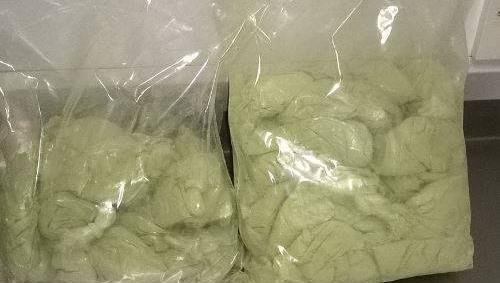
Mescaline is a central nervous system disruptor . It is a hallucinogen whose effects are similar to those of LSD, but are 4,000 to 10,000 times less potent. It is the main active ingredient in peyote, a small cactus from Central America.
Effects and dangers of mescaline
Mescaline causes fewer central effects than LSD, but more pronounced peripheral effects. The effective dose is between 200 and 500 mg of mescaline sulfate.
The main central effects of mescaline are euphoria (a feeling of well-being and satisfaction), increased sensory acuity, short-term memory loss, concentration problems, mood changes, hallucinations, dizziness, tremors, balance problems, anxiety, and sometimes panic. These effects are accompanied by an alteration in the perception of self, shapes, colors, time, and space.
The main peripheral effects are impaired vision, mydriasis (dilation of the pupils), hyperthermia (increased body temperature), chills, profuse sweating, rapid and deep breathing, mild tachycardia (increased heart rate), hypertension, nausea, vomiting, and diarrhea.
Acute intoxication can cause anxiety, depersonalization, a sense of loss of control over oneself and one’s surroundings, and a state of panic. This reaction, known as a “bad trip,” is accompanied by potentially dangerous behavior.
Chronic effects
Chronic mescaline intoxication causes, among other things, amotivation syndrome, mood disorders and flashbacks.
Tolerance and dependence
As with other hallucinogens, tolerance develops after a few days of daily use. The user must then abstain for a few days to experience the desired effects again.
Although physical dependence is absent, psychological dependence of varying intensity can be observed.
What does the law provide?
- Mescaline is listed in Schedule III of the Controlled Drugs and Substances Act.
- Possession, trafficking, possession for the purpose of trafficking, production, import and export are illegal.
Reviews
There are no reviews yet.